

Exploring the Italian market is key for UK companies. It’s important to grasp the unique aspects of this lively market. Our guide offers detailed strategies for UK businesses aiming to grow in Italy.
By planning carefully, we can make a strong start in this varied market. This guide is a valuable tool. It helps us tackle challenges and grab opportunities.
Understanding the Italian Market Landscape
The Italian market is full of life and variety. It’s slowly getting back on its feet after tough times. People are spending more, showing they’re feeling more confident.
Many sectors are driving this growth. These include manufacturing, fashion, and food and drinks. These areas are key to Italy’s economic health.
Looking at market trends, we see big changes. People want products that are good for the planet and made locally. This is a big trend across Europe.
But, there are also regional differences. The north of Italy is more active than the south. This is important for UK businesses to know. It helps them find chances and deal with the unique challenges of the Italian market.
Key Considerations for UK Businesses
Exploring the Italy market requires careful thought for UK businesses. Knowing the legal rules is key. Italian laws can be quite different from the UK’s, so we need to understand them well.
It’s also important to consider cultural differences. Italy’s rich culture shapes business ways. Building trust and understanding takes time. Knowing local customs and possibly hiring local experts can help a lot.
Economic factors are also vital. Italy’s economy varies by region, so we must pick the right area for our business. Knowing the market and what customers want is essential for success.
Italy Market Entry: Legal Framework and Regulations
Entering the Italian market needs a good grasp of the legal setup. Businesses must deal with complex laws and get the right permits. This guide covers the key steps to follow.
Formation of Companies in Italy
Setting up a company in Italy is detailed. We must pick the right business type, like sole proprietorships or limited companies. Each type affects taxes and liability, so we need to think carefully.
We must register our business with the Italian Business Register. This means submitting documents like the company’s articles and founder IDs. Getting a tax ID number is also vital.
Business Licensing and Permits
To operate legally, we need the right permits. This includes industry-specific and general operational licences. The permits needed vary by sector, so we must research and apply for them all.
Running commercial activities also requires extra permits. These ensure we follow health, safety, and environmental rules. Sticking to these rules helps build trust with our customers and partners in Italy.

Developing a Market Entry Strategy
Creating a good market entry strategy is key for UK businesses wanting to enter the Italian market. It begins with finding out who our target customers are in Italy. This helps us make our products or services fit their needs.
Knowing what our customers like and how they behave is the first step. This knowledge is the foundation for a winning strategy.
Identifying Target Customers
To find our target customers in Italy, we need to think about a few important things. These things affect how they make their buying decisions:
- Demographics: Look at age, gender, income, and education. These things shape what people like to buy.
- Psychographics: Understand their lifestyle, values, and interests. This gives us a deeper insight into our customers.
- Geographic location: Different areas in Italy have different buying habits. It’s important to know this.
Using tools like market research, surveys, and social media can help us learn more about our customers. This way, we can connect with them better.
Assessing Competition in Italy
Doing a competitive analysis in Italy is essential. It helps us see who our competitors are. This lets us understand the market better and find our unique selling point. Here’s how to do it:
- Identifying competitors: Make a list of local and international competitors in Italy.
- Evaluating market share: Find out how much of the market each competitor has. This shows their impact.
- Analysing strengths and weaknesses: Look at what competitors do well and what they don’t. This helps us find our place in the market.
By doing a detailed competitive analysis, we can make our market entry strategy better. We can stand out from the competition and attract our target customers.
Choosing the Right Business Structure
Starting a business in Italy means picking the right structure. You have many options, each with its own benefits and drawbacks. Sole proprietorships, LLCs, and joint ventures are popular choices.
Sole proprietorships are easy to set up. They give you full control but put your personal assets at risk. LLCs protect your assets and offer more flexibility. Joint ventures help UK and Italian businesses work together, sharing resources and insights.
Knowing the pros and cons of each structure is key. When deciding, think about your business size, taxes, and how much risk you want to take. We can help you choose the best option for your goals and the Italian market.
Financial Considerations for UK Companies
Understanding financial aspects is key for UK businesses in Italy. We need to know about banking and taxes to succeed. This guide helps us make smart financial choices.
Banking and Payment Processing Services
Good banking is vital for managing money in Italy. A bank account with a top Italian bank makes transactions easy. We should look at fees, exchange rates, and service when choosing a bank.
Payment services are also important. Choosing a trusted provider helps us deal with Italian customers. Options like credit cards and local payments improve our service and finances. We need to research well to find the right service.
Understanding Italian Taxation
The Italian tax system is complex. We must understand corporate taxes, VAT, and local taxes to manage our finances well. Getting help from local tax experts is a good idea.
There might be tax breaks for foreign companies. It’s important to find out about these. Keeping up with tax changes helps us stay on track and profitable.

Utilising Nominee Services in Italy
In the Italian market, we see how nominee services make things easier. They help us avoid the hard parts of starting a business. This lets us focus on what really matters.
These services make sure we follow local rules and have a presence in Italy. They protect us legally and help us understand the local market better. This gives us an edge over others.
Having business nominees also makes us more trustworthy to customers and partners. It builds confidence in the Italian business world. With nominee services, we can enter the market with confidence and succeed.
Building a Local Network and Partnerships
For UK businesses aiming to thrive in Italy, building a strong local network is key. Effective networking in Italy helps us connect with important stakeholders. These connections can greatly impact our business journey. To increase our chances of forming valuable partnerships, we should use certain strategies:
- Join local trade associations or business groups that match our industry to meet possible partners.
- Attend industry events and conferences to build relationships with key players in the market.
- Use social media platforms to connect with local businesses and explore partnerships in Italy.
- Take part in community events to build rapport and trust in the local market.
- Look for networking chances through local chambers of commerce to boost our business visibility.
By using these methods, we can make meaningful connections that lead to successful partnerships. These relationships can open up new opportunities, helping us grow in the competitive Italian market.
Cultural Considerations in Doing Business
Understanding the business culture in Italy is key for UK companies. Italian business etiquette values personal relationships. Building trust and rapport is essential before discussing business.
We need to be aware of the subtleties that make interactions effective in this setting.
Effective Communication Styles
When dealing with Italian business partners, it’s important to understand their communication style. Italians prefer face-to-face talks, where gestures and body language are key. These non-verbal cues show sincerity and enthusiasm, strengthening connections.
- Maintain eye contact to show confidence and interest.
- Be expressive in your gestures; Italians enjoy lively conversations.
- Use formal titles and surnames at first as a sign of respect.
- Be ready for direct feedback; Italians value honesty.
Knowing these aspects of Italian business etiquette helps in smoother negotiations. By adjusting our communication to fit their cultural norms, we can create strong partnerships.

Online Presence and SEO for Italian Consumers
Creating a strong online presence in Italy is key for UK businesses wanting to connect with Italian consumers. We start by using SEO tailored for the Italian market. This means understanding local search habits and preferences.
Knowing the Italian language and culture helps us localise our website. This ensures our content speaks to the audience we aim to reach.
We use powerful digital marketing strategies to increase our impact. This might include making content for specific regions and using local search trends. Using the right keywords in our content helps us be seen and builds trust in our brand.
Having our website at the top of search results can really help us attract Italian customers.
Social media is also important for our online presence in Italy. By being active on these platforms, we can connect with the local community. We can share our brand story and promote our products or services.
An integrated strategy that includes SEO, localised content, and social media will help us succeed in the Italian market.
Utilising Social Media for Market Entry
Social media marketing is key in today’s world for entering new markets, like Italy. Platforms like Facebook, Instagram, and TikTok in Italy help businesses connect with locals. They offer a chance to build loyalty and community.
To win over Italian consumers, we need to create content that speaks to them. We should use visuals and messages that match their interests. Interactive content, like polls and stories, grabs attention and gets people involved.
Keeping an eye on social media trends helps us stay on track. Working with local influencers boosts our visibility. Targeted ads also help us reach the right people.
In short, social media is vital for connecting with Italian consumers and growing our brand in Italy. By using popular platforms and making relevant content, we’re set for success.
WordPress Design and Maintenance for Italian Websites
In today’s digital world, a good website is key for businesses in Italy. We focus on WordPress design to make websites that look great and are easy to use. This is what the Italian market likes.
Our websites are made to show off quality content well. This draws in new customers and makes your brand more visible.
Website maintenance in Italy is also vital. It keeps sites working well, safe, and updated. Regular updates, backups, and speed boosts help keep sites reliable and trustworthy.
Without these, sites can slow down and lose user trust. This can hurt sales and customer numbers.
Using Italian website hosting makes sites faster and more reliable. This is important for keeping visitors interested. Fast hosting also helps sites rank better in search engines, bringing in more traffic.
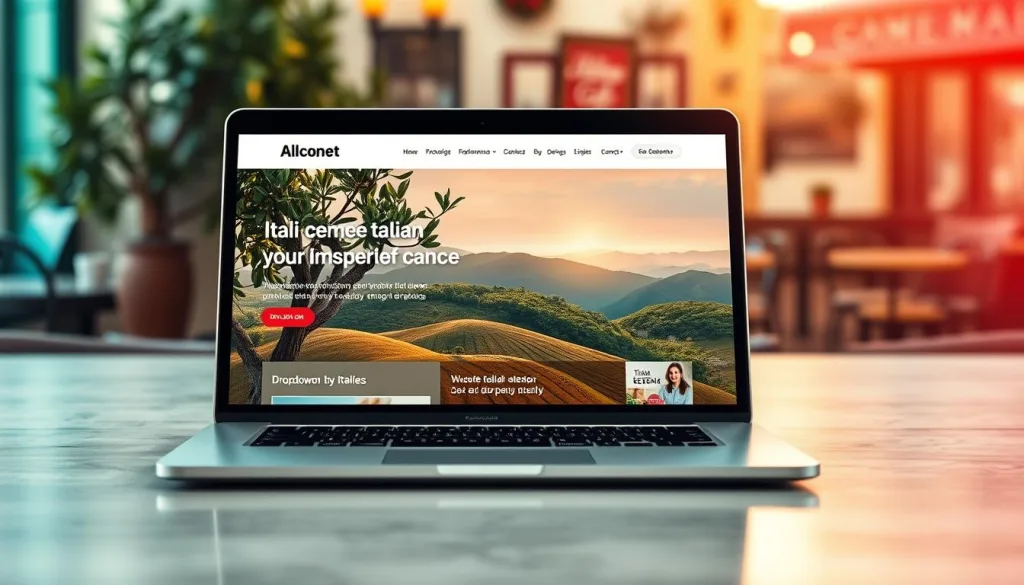
In short, focusing on WordPress design and regular website care in Italy, with local hosting, sets businesses up for success online. It’s a strong base in Italy’s competitive digital market.
Logistics and Supply Chain Management
Entering the Italian market needs careful thought about logistics and supply chain management. It’s key to ensure goods are delivered on time and at the right cost. Choosing the right logistics partners is vital for our business success in Italy.
Choosing a Reliable Logistics Partner
Finding the right logistics partner is critical for our supply chain. A good partner knows the local market, follows regulations, and handles Italy’s logistics well. We should look at several things when picking a partner:
- Experience in the Italian market
- Reputation and reliability in handling shipments
- Technology systems for tracking and managing logistics
- Scalability to meet our growing business needs
- Customer support and communication styles
Working with experienced logistics partners helps us run smoothly and avoid problems. These partnerships are key to our success in Italy’s competitive market.
Evaluating the Success of Your Market Entry
To check if our market entry is working, we need a clear plan. We should look at different success signs. These include how much we sell, our share of the market, what customers say, and how well-known our brand is in Italy.
There are many ways to check how well we’ve done. First, we set clear goals before we start. This lets us see if we’ve met our targets. It’s also important to watch key performance indicators (KPIs) to see how our actions are affecting things. Good signs to watch include:
- Sales volume changes over time
- Customer acquisition and retention rates
- Market share analysis
- Return on investment (ROI)
- Brand recognition surveys
Listening to what customers think is very helpful. Surveys and talking directly to customers can help us improve. Also, looking at what our competitors do can help us see how we’re doing compared to them.
In short, having a good way to check how we’re doing helps us see if we’re successful. It also lets us change our plan if needed. By picking the right metrics and collecting data, we can keep our presence in Italy strong and meet our goals.
| Success Metrics | Measurement Method | Frequency of Review |
|---|---|---|
| Sales Volume | Monthly sales reports | Monthly |
| Customer Acquisition | Customer databases | Quarterly |
| Market Share | Market analysis reports | Bi-annually |
| ROI | Financial statements and costs | Annually |
| Brand Recognition | Consumer surveys | Annually |
Contacting LerriHost for Expert Guidance
As we wrap up this guide, we know how vital it is to have trusted partners for entering the Italian market. LerriHost provides a range of services for UK businesses. These include help with setting up a company, nominee services, payment processing, and digital marketing. Their expertise helps us tackle the Italian market’s challenges more easily.
For those looking to enter the Italian market, contacting LerriHost is a smart choice. They have a wealth of experience in helping businesses get a foothold in Italy. Whether you need help with legal stuff or want to boost your online presence, LerriHost can offer the right strategies for success.
Don’t wait to get in touch with LerriHost for more details. Their team is eager to help us smoothly enter the Italian market. With their support, our journey will be both efficient and rewarding.